
Why Rats Get Into Homes in San Antonio
Track recurring rat activity from the attic, garage, or kitchen to the place where it started. Learn what a removal and exclusion plan should cover.
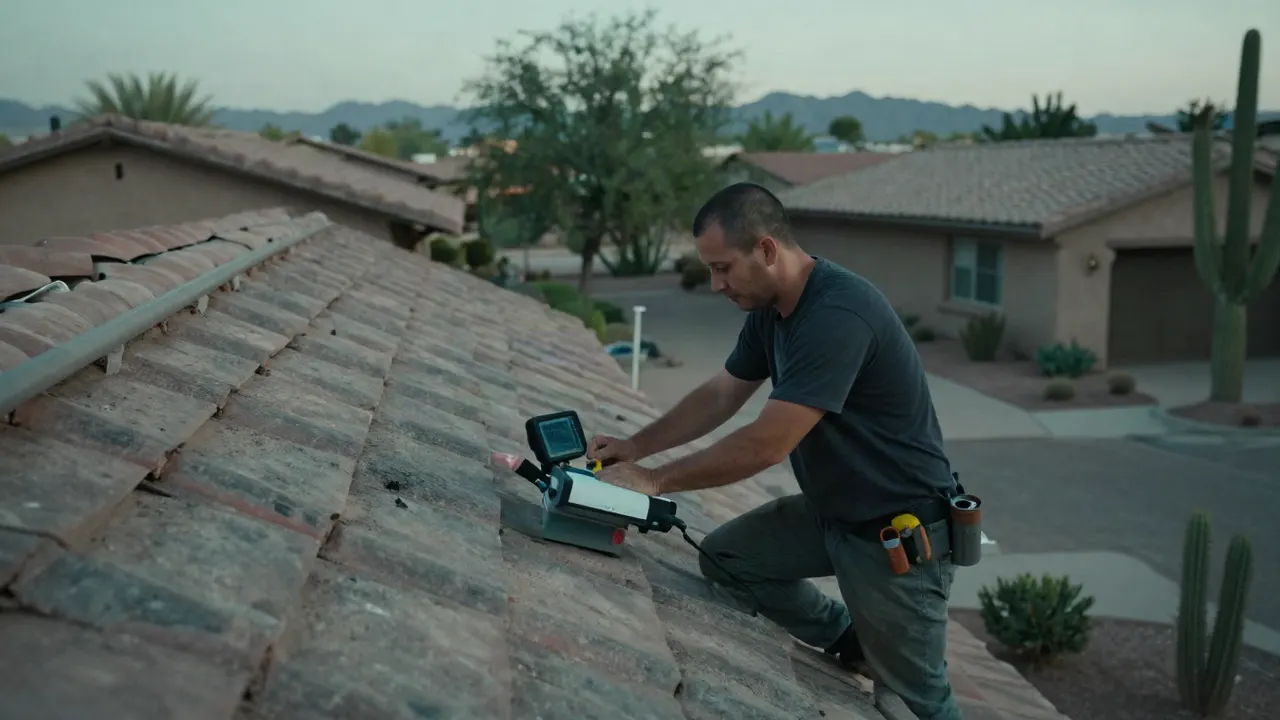
When you hear repeated scratching above the same ceiling or find damage to food packaging, note where and when it started. The first evidence is a place to investigate. The outside opening can be in a different part of the building.
Look at the property from ground level. Save a photo of any obvious damage or gaps and mark them on a simple sketch. If you find suspect droppings or nesting material, leave it alone while you arrange a safe inspection and cleanup.
Why rats use houses and outbuildings
A house may give rodents food, shelter, and narrow routes between rooms. An attached garage or shed can provide a place to hide close to an accessible opening. Start with the nearest routes to the evidence.
- Shelter. Look for protection around stacked materials or an outbuilding.
- Food. Note waste, spilled seed, fallen fruit, or stored feed.
- An opening. Check visible gaps at doors, vents, and exterior utilities.
What to record around San Antonio properties
If signs show up near a mature tree, photograph the canopy in relation to the roof from the ground. Write down which room is directly below the noise.
Door and wall transitions are useful reference points. On stone or stucco exteriors, record any visible gap next to a threshold, trim, or utility line.
Attic and garage activity
Sounds in the ceiling and damage near a door can point to different routes. Track each observation separately until there is evidence linking the two.
- Above the ceiling. Record the room, time, and closest visible roof edge.
- At floor level. Look for disturbance around a garage corner, door sweep, bin, or pipe opening.
Six places to check from a safe position
- Fascia and roof edges. Take ground-level photos of lifted trim or obvious openings.
- Vents. Record damaged screening.
- Trees and vegetation. Look for contact with the roof and shelter near the wall.
- Garage threshold. Look at the seal when the door is closed.
- Utility openings. Check visible gaps near service lines.
- Storage building. Record gnawing, disturbed supplies, and the closest opening.
What to ask about a removal plan
- Source of activity. Ask which observations support the finding.
- Access. Confirm which rooms, ceiling spaces, and outside areas will need access.
- Removal. Ask which methods are appropriate for the property and who will check the equipment.
- Exclusion. Have the provider explain the repairs and how they will be timed.
- Follow-up. Confirm which new signs should trigger a recheck.
What to put in a sighting log
- Date. Keep dated notes so new activity is easier to recognize.
- Room. Use consistent room and wall names.
- Evidence. Describe sounds, chewed materials, or visible animals separately.
- Photos. Use safe ground-level photos.
- Changes. Include repairs, tree work, leaks, and changes to storage.
- Prior work. Record any earlier exclusion or service.
A practical follow-up plan
Secure accessible food
Check food containers, pet supplies, and waste. Keep those areas easy to inspect after changes.
Record the repairs
Save the exact location of repaired openings, including which screens or thresholds were changed.
Handle contamination separately
Follow the CDC’s cleanup guidance. Avoid sweeping or vacuuming dry droppings.
Confirm the next inspection point
Ask which areas the provider will recheck if you hear new sounds or find new material.
Common mistakes to avoid
- Working from the sound alone. Include the nearest physical signs when you report it.
- Checking just one level. Compare low openings and visible roof edges.
- Disturbing droppings. Keep the location documented from a safe distance.
- Closing useful vents. Use appropriate screens without blocking the intended airflow.
- Forgetting to recheck. Compare new observations against a dated baseline.
When to ask for an inspection
Ask about an inspection if the evidence recurs, the likely route is inaccessible, or an area needs professional cleanup. Use the rodent control guide to compare the information an inspection might cover.
Frequently asked questions
Does one noise mean there are rats?
Compare the noise with physical evidence and its location. An inspection can help distinguish a rodent route from other sources of sounds.
Should I touch droppings to identify them?
Record the location without disturbing them. Follow CDC cleanup guidance and discuss heavy contamination with a professional.
Can rats use a loose vent?
An opening beside a vent or damaged screen can be worth checking. Keep the vent functional and ask about suitable repairs.
When should the openings be sealed?
Ask how exclusion will be coordinated with removal and monitoring for activity inside the building.
How can I tell if the problem has stopped?
Compare dates and locations of any new findings with the original record, and ask what the follow-up inspection includes.
Get help with rat removal in San Antonio
When dry weather gives way to rain, look along the transition between stone edging, soil, and the garage slab. Compare activity before and after the change in weather. Share the finding and check coverage for the relevant ZIP.
Read the Rat Removal service page. See the Downtown San Antonio guide or send an inquiry.