
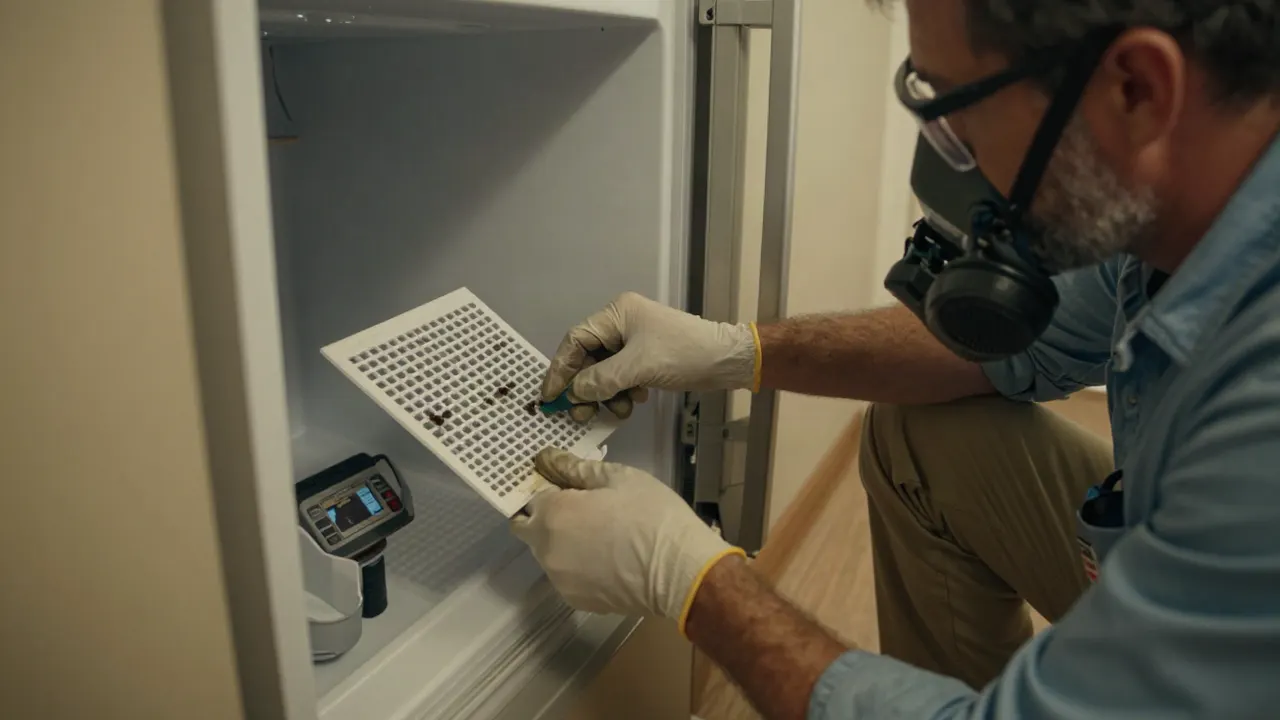
San Antonio, Texas
Ant Control in San Antonio, TX
Trace recurring ant trails in San Antonio kitchens, bathrooms, patios, and irrigation areas. See the inspection steps, prevention options, and quote factors. Near a stone patio, watch the same ant route during and after irrigation. Identify whether the trail enters a door or continues around an exterior wall.
Downtown San AntonioStone Oak59 listed ZIP codes
What's included
What ant control can include
The scope varies with the type of property and the identified activity.
Map the working trail
Follow the visible line both ways. Mark where it disappears under an edge or into a wall, and record where it reaches food, moisture, or changes direction.
Kitchen and pet areas
Inspect sealed containers, appliance edges, pet bowls, recycling, and residue beneath dispensers or shelves. Small missed deposits can keep a route active after regular cleaning.
Patio and irrigation
Compare the outside wall with drip heads, shaded planters, pavers, and hose bibs. Moisture against a wall is a clue worth documenting rather than guessing where the nest lies.
Entry openings
Check threshold corners and visible pipe or cable gaps along the route. Discuss whether a repair should happen before or after monitoring and treatment.
Identification and targeting
Observe the workers and their routes to inform a species-appropriate response. Spot treatments along a counter can remove visible ants while leaving the source active elsewhere.
Check for a second route
Walk the adjoining wall and nearby doors a second time. A second path can look like a failed repair when it existed independently all along.
Inspection overview
Ant Control in San Antonio and what to check
Near a stone patio, watch the same ant route during and after irrigation. Identify whether the trail enters a door or continues around an exterior wall.
Door and wall transitions are useful reference points. On stone or stucco exteriors, record any visible gap next to a threshold, trim, or utility line.
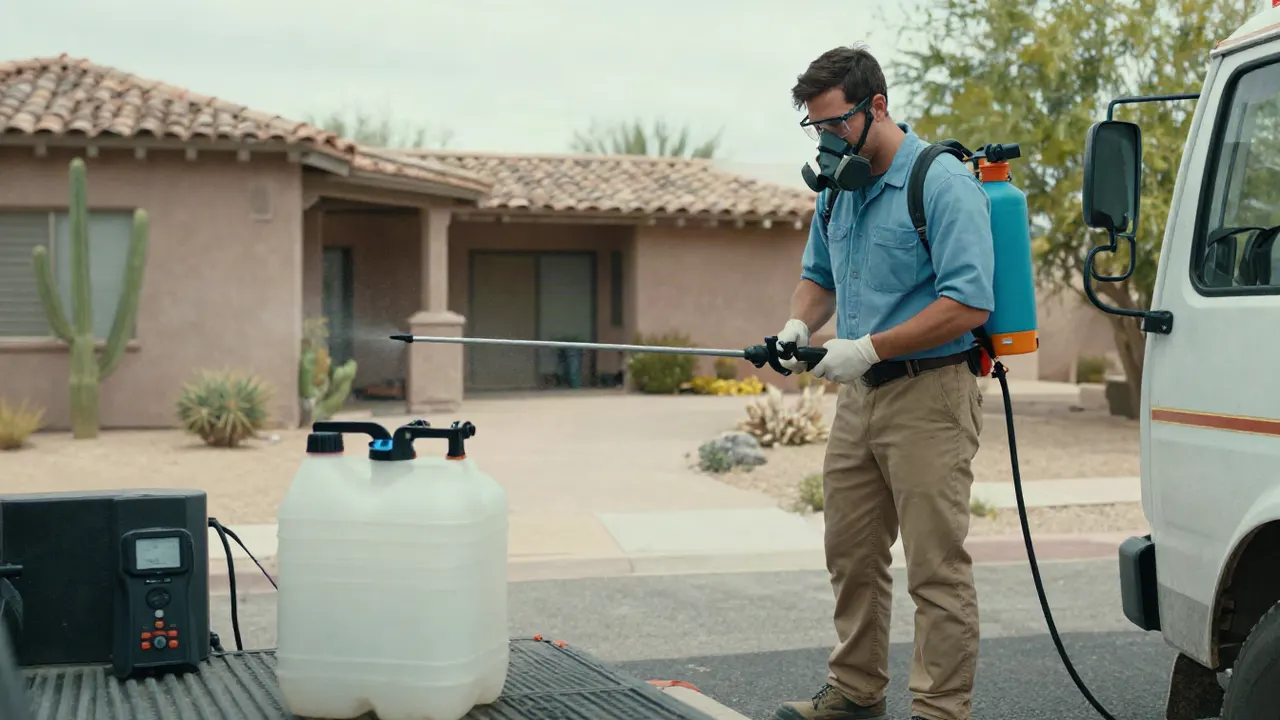
Start with accessible areasWhen dry weather gives way to rain, look along the transition between stone edging, soil, and the garage slab. Compare activity before and after the change in weather.
The service timeline
How ant control works
Check the details for your building and the areas likely to need attention.
Map the working trail
Follow the visible line both ways. Mark where it disappears under an edge or into a wall, and record where it reaches food, moisture, or changes direction.
Kitchen and pet areas
Inspect sealed containers, appliance edges, pet bowls, recycling, and residue beneath dispensers or shelves. Small missed deposits can keep a route active after regular cleaning.
Review a written scope
Ask about the treatment or repairs, access, prep, and any follow-up before authorizing work.
Identification and targeting
Observe the workers and their routes to inform a species-appropriate response. Spot treatments along a counter can remove visible ants while leaving the source active elsewhere.
Check the same places again
Keep a record of what was done and compare later activity against the original photos and notes.
Tools & methods
Tools and methods for ant control
Ask which identification and monitoring tools are suitable for your property.
Trail photos
Record direction, time, and the place where the line disappears. A photo of the whole corner is as useful as a close-up.
Inspection flashlight
Shows routes below cabinet fronts and along skirting or door edges.
Magnifier
Helps distinguish visible traits when the ants are small and a casual description is inconclusive.
Exterior moisture check
Shows where irrigation or a hose keeps soil against the foundation damp.
Food and storage review
Identifies residue and hidden access to pet food, sweet bottles, or collection bins.
Targeted bait options
Selected after identifying the pest and its feeding activity. Placement must account for people, pets, and the label.
Gap and weather seal assessment
Compares a trail boundary to the actual door, screen, or utility seam that could need attention.
Examples
When to ask about ant control
Persistent activity and findings in places that are hard to access are reasons to discuss an inspection.
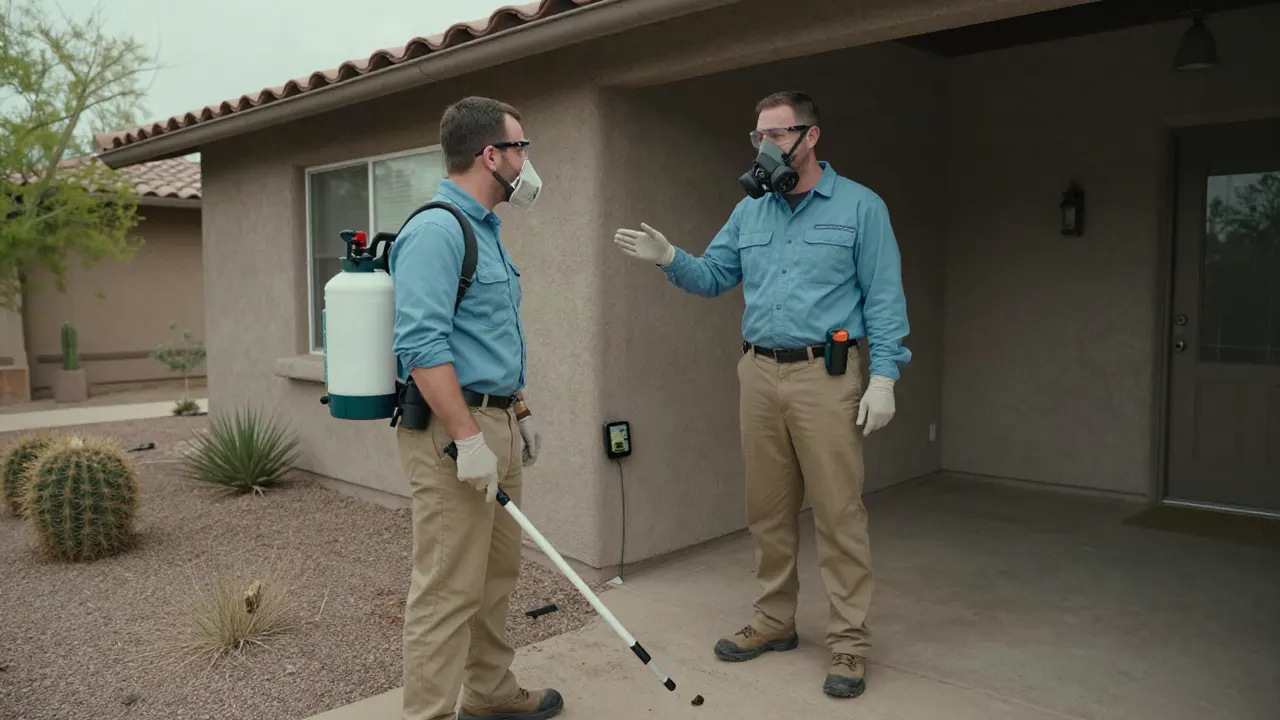
Checking a repeated sighting in Downtown San Antonio
In multi-unit buildings, report the floor, unit, and nearest shared wall or utility closet. Give the property manager time to arrange access to areas controlled by the building.
Checking access in Stone Oak
Where a garage meets a landscaped side yard, compare the door corners with the slope and retaining edge outside. Record any repeated sightings after watering or changing the garage seal.
Problems we solve
Signs to document for ant control
Records help compare likely sources and observation dates.
Evidence near a door or wall
Inspect sealed containers, appliance edges, pet bowls, recycling, and residue beneath dispensers or shelves. Small missed deposits can keep a route active after regular cleaning.
Recurring signs in one room
Compare the outside wall with drip heads, shaded planters, pavers, and hose bibs. Moisture against a wall is a clue worth documenting rather than guessing where the nest lies.
Changes around the property
When dry weather gives way to rain, look along the transition between stone edging, soil, and the garage slab. Compare activity before and after the change in weather.
Existing treatment or repairs
Walk the adjoining wall and nearby doors a second time. A second path can look like a failed repair when it existed independently all along.
Pricing process
What affects ant control pricing in San Antonio
Ask for a quote tied to inspection findings and access.
Extent of activity
Write down how many spaces are affected and whether the same signs repeat.
Access and property type
Door and wall transitions are useful reference points. On stone or stucco exteriors, record any visible gap next to a threshold, trim, or utility line.
Treatment and follow-up
Ask which repairs, treatments, and rechecks are included in the total.
Inspection notes
What to have ready in San Antonio
Inspection notes
Near a stone patio, watch the same ant route during and after irrigation. Identify whether the trail enters a door or continues around an exterior wall.
Inspection notes
Inspect sealed containers, appliance edges, pet bowls, recycling, and residue beneath dispensers or shelves. Small missed deposits can keep a route active after regular cleaning.
Inspection notes
Walk the adjoining wall and nearby doors a second time. A second path can look like a failed repair when it existed independently all along.
What should I record before asking about ant control?
Near a stone patio, watch the same ant route during and after irrigation. Identify whether the trail enters a door or continues around an exterior wall.
What does the inspection cover?
Ask which affected rooms, exterior openings, or other areas can be inspected. Confirm limitations when something is inaccessible.
What affects the price?
The estimate can depend on the activity, size and access of the affected area, and the number or scope of follow-ups. Ask for the scope and total in writing.
Can I check availability by ZIP code?
Use the San Antonio Locations page to check the ZIP. A listed ZIP can be submitted as a service inquiry, subject to confirmation.
Related services
Related Services
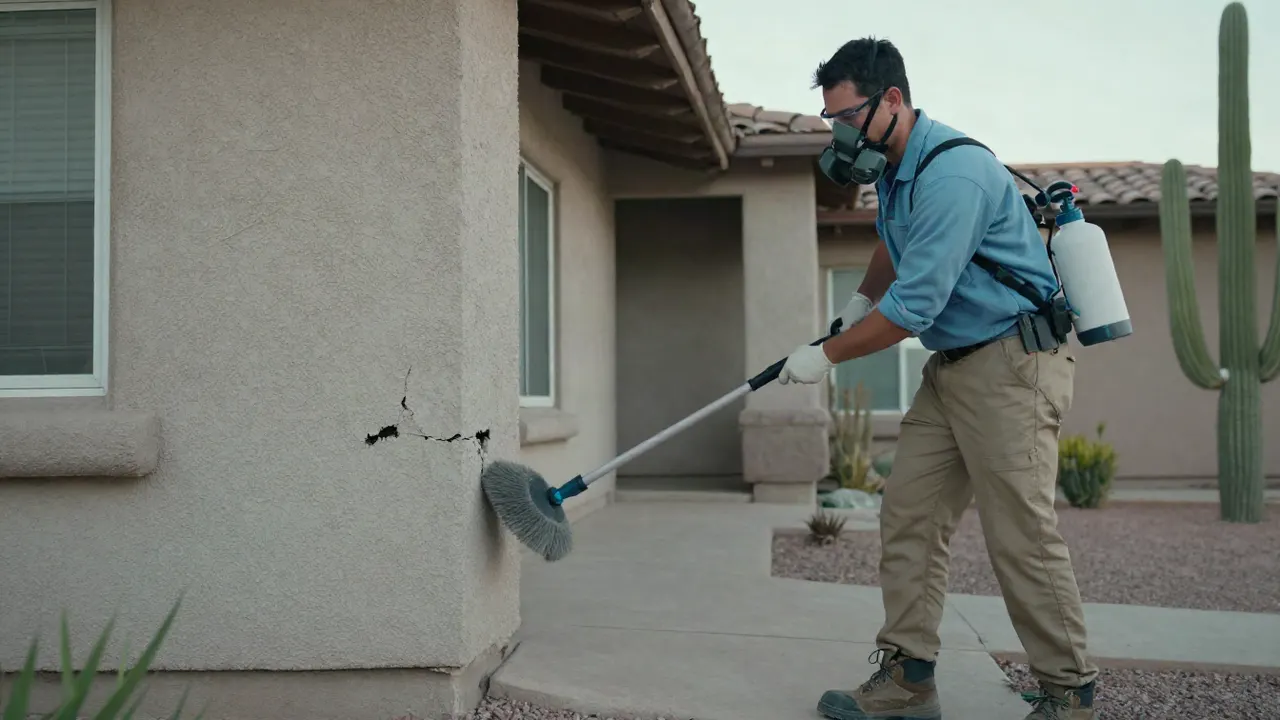
General Pest Control
Identify recurring insects, compare likely entry points, and make a plan for prevention.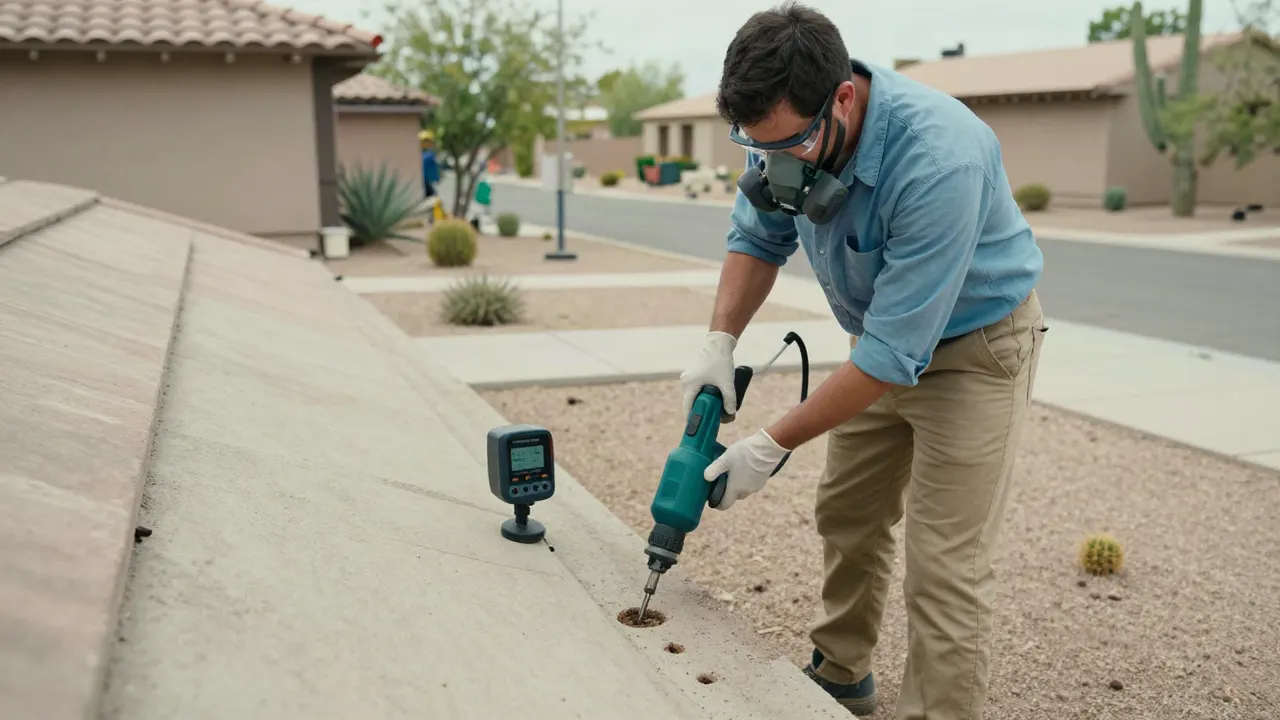
Termite Control
Document mud tubes, discarded wings, or wood damage and compare the scope of termite treatment proposals.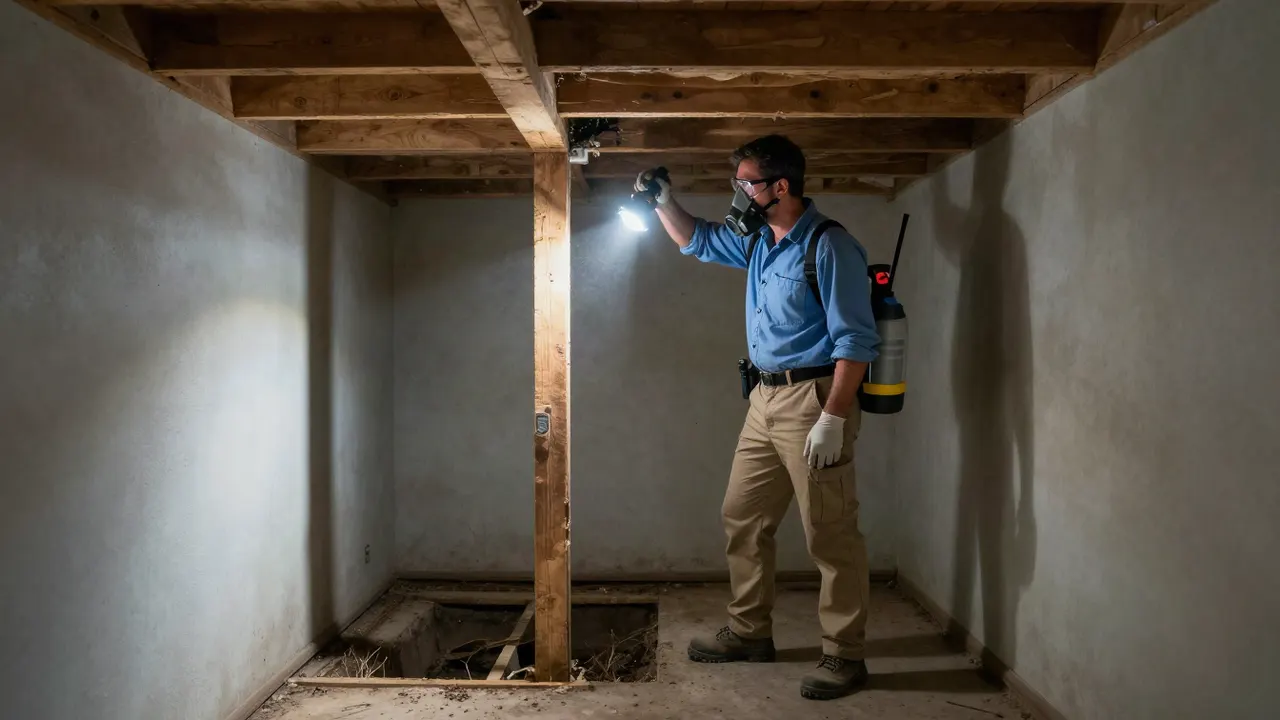
Termite Inspections
Understand what a visual termite inspection covers and how to prepare for a property or home-buyer visit.Tell us what you are seeing
Get help with pest control in San Antonio
Share the ZIP and the details you have. That gives the team a starting point for reviewing the inquiry.
Service inquiry
Request ant control in San Antonio
Share your ZIP code, the pest you are seeing, and a brief description. The form saves your inquiry so the team can review it.